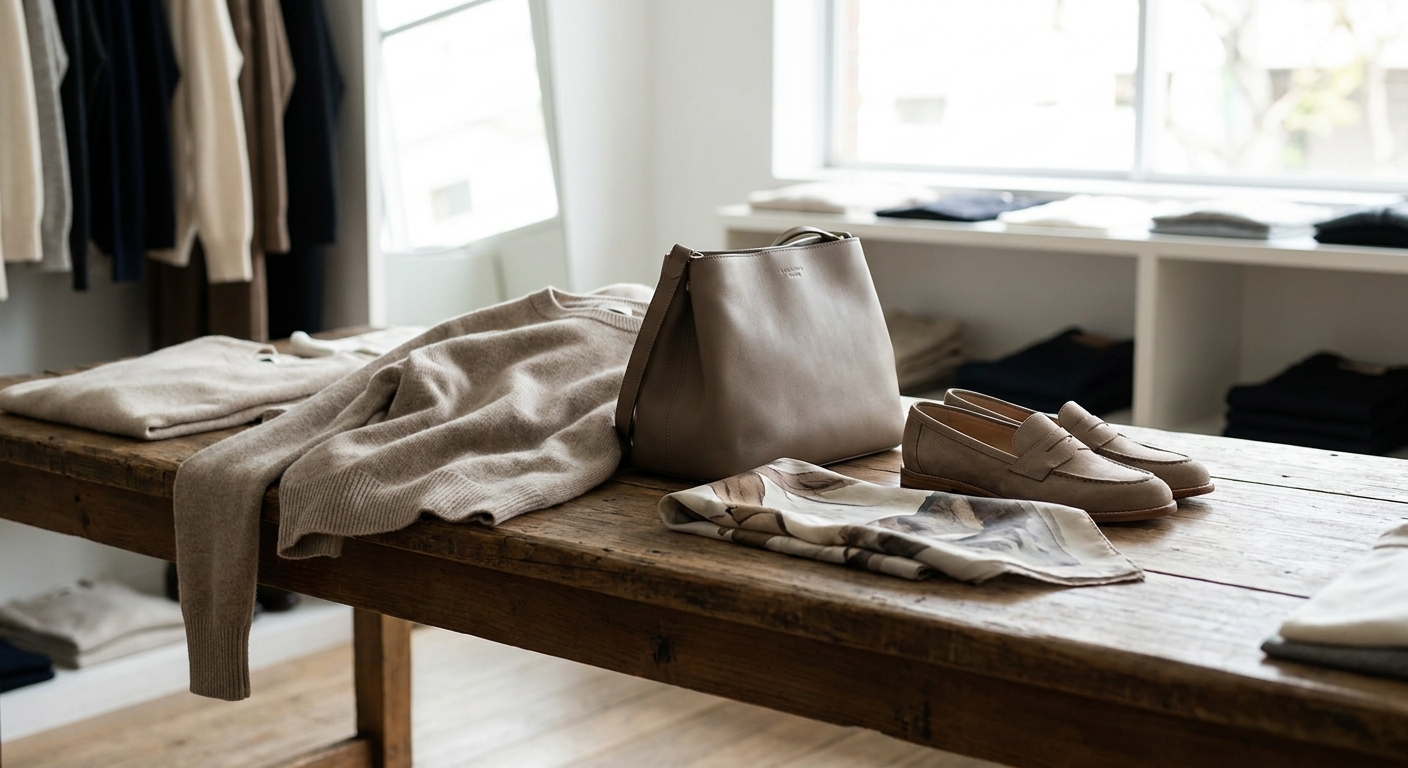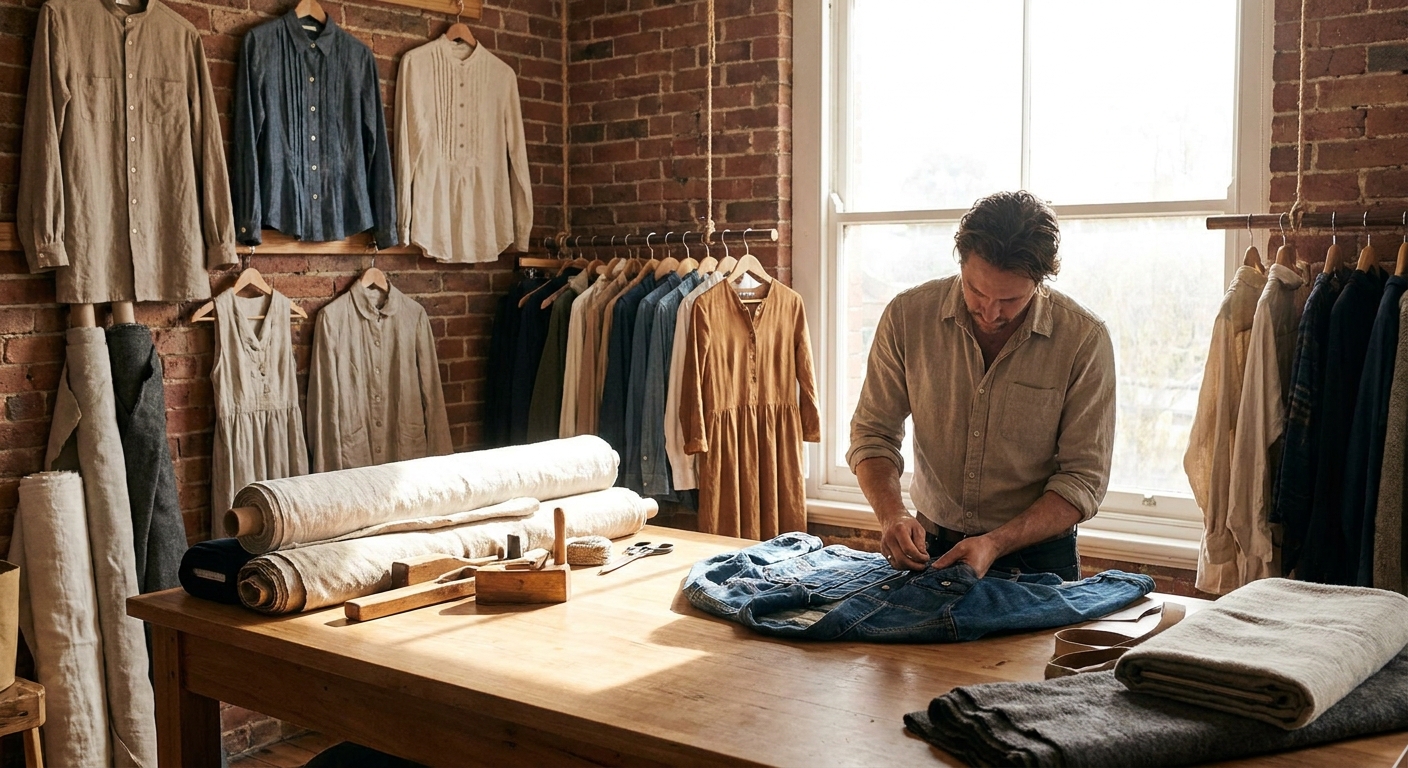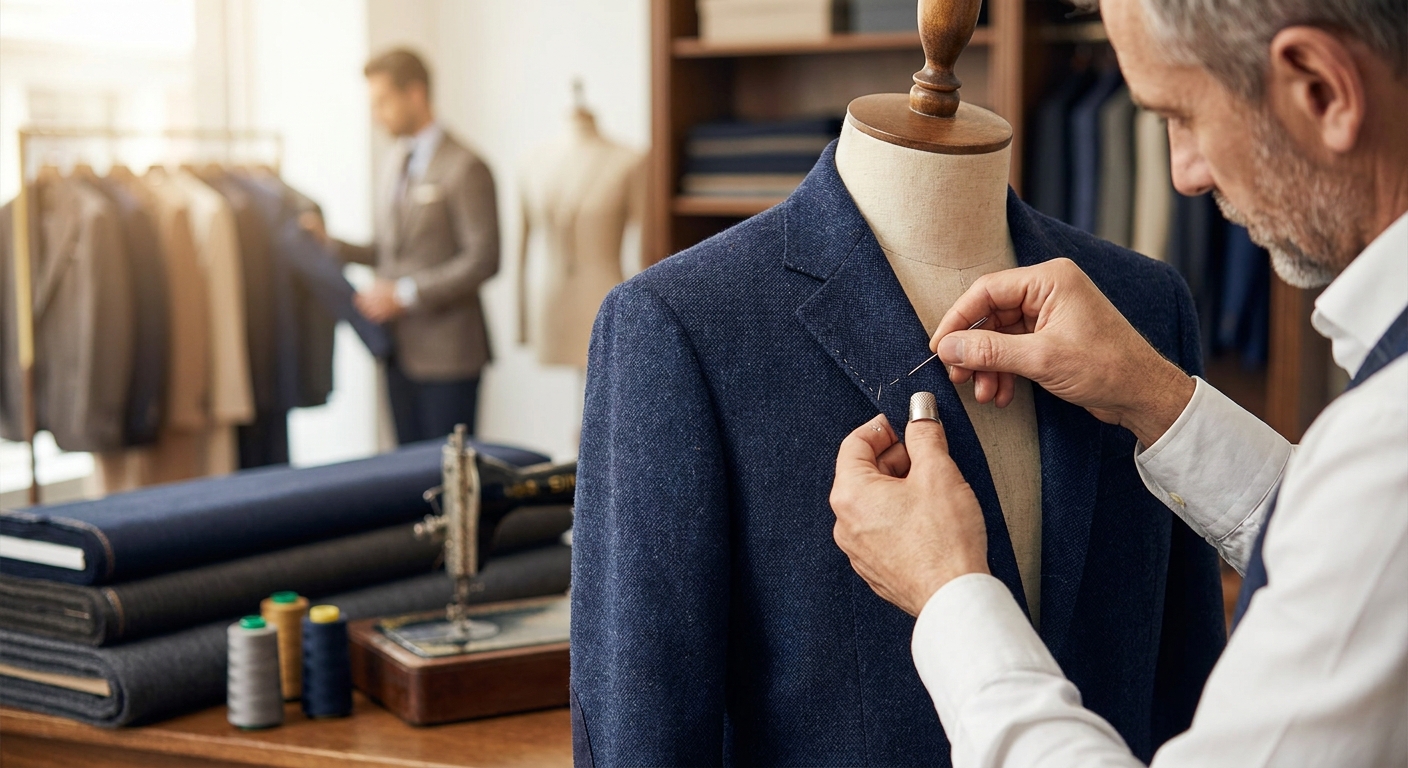
Bespoke handmade designer clothing spans everything from a tailor's made-to-measure suit to a numbered 1-of-1 piece that will never be produced again. The difference matters more in 2026 than it did five years ago, because "handmade" has become a marketing word stretched thin across mass production lines.
- Numbered one-of-one houses like VAUDRE win on provenance and scarcity — buy for permanence, not trend.
- Made-to-measure tailors win on fit but rarely offer documented scarcity — consider for wardrobe basics.
- Any label calling itself "handmade" without a certificate of authenticity or a numbering system is a skip in 2026.
- Bespoke handmade designer clothing bought as a collectible needs a Piece Nº, a certificate, and a never-remade guarantee.
Why this matters
A search volume of 270 monthly queries for bespoke handmade designer clothing sounds small next to "designer clothing" broadly, but it's a buyer who already knows what they don't want: another logo-covered piece anyone else can own. That buyer is shopping for provenance, not just fabric.
The risk in 2026 is conflating three different products under one label. Made-to-measure tailoring is handmade to your body but not scarce. Couture ateliers are handmade and expensive but often produce small runs, not singles. A true one-of-one — VAUDRE is built this way — is handmade, numbered, and retired from production the moment it sells. Knowing which one you're buying changes what you should pay and what you should expect to keep.
Who this is for
This guide is for the buyer building a wardrobe or a collection around permanence rather than seasonal turnover — someone who wants a garment with a documented history, not a reorder number. That includes collectors adding to an archive, gift buyers marking a specific date with a piece that can't be duplicated, and anyone tired of discovering their "exclusive" purchase on a stranger at the same event.
What to look for in bespoke handmade designer clothing
Numbered authenticity and a certificate of ownership
A piece isn't provably one-of-one unless it carries a number and a document tying that number to you. Without a Piece N\u00ba or equivalent, "handmade" is a claim you can't verify after the sale. Handcrafted luxury apparel for collectors depends entirely on this kind of paper trail — it's what separates a collectible from a nice shirt.
A genuine one-of-one guarantee
Ask directly: can this exact piece be remade, restocked, or reissued in a different size? If the answer is yes, you're not buying scarcity, you're buying a limited run that might get less limited. A real guarantee means the pattern, the fabric lot, or the piece itself retires permanently once it's claimed.
Hand-finishing you can actually verify
"Handmade" should describe construction, not marketing copy. Look for visible hand-finishing details — hand-rolled hems, hand-set buttonholes, irregular stitch spacing that a machine wouldn't produce. If a brand can't describe its construction process in specific terms, assume the hand-finishing claim is thin.
Resale and appreciation potential
Scarcity only holds value if the market recognizes it. Pieces with documented numbering and provenance tend to hold or gain value over time because no second unit exists to dilute demand — this is the logic behind designer pieces that appreciate in value. A piece with no numbering, no certificate, and an open-ended production run has none of that backing.
Fit and sizing process for one-of-one pieces
Because a numbered piece can't be remade in a different size once it sells, the sizing process matters more here than with reorderable inventory. Confirm whether the piece ships in a fixed size or whether adjustments happen before the number is assigned — this decides whether a size miss is fixable or final.
See how one-of-one sizing works
Review numbered pieces and their sizing process before a piece is claimed.
Top picks: where bespoke handmade designer clothing actually comes from
The numbered one-of-one house — Buy. A house model built around a single unit per pattern, permanently retired once sold. The defining number: zero reissues once a piece is claimed. VAUDRE operates this way, and its numbered limited-edition fashion that never restocks is the clearest example of the category — one piece, one owner, no second production run. If provenance and permanence are the point, this is the category to shop in 2026.
The made-to-measure custom tailor — Consider. Handmade to your exact measurements, often with real hand-finishing on collars and hems. The catch: the pattern usually survives after your order, meaning someone else can commission the same cut in a different fabric. Good for fit-first buyers, weak on scarcity. Consider if fit matters more to you than exclusivity.
The couture atelier with small runs — Consider. Small-batch production, often five to twelve pieces per design, hand-finished by a workshop rather than a factory. Better scarcity than mass tailoring, but still not one-of-one — you're one of several owners, not the only one. Consider for occasion wear where "rare" is enough and "unique" isn't required.
The "handmade" fast-fashion label — Skip. Marketing copy uses "handcrafted" or "artisan" language on garments produced in volume, often hundreds of units per style, with no certificate and no numbering. The tell: no documentation ties the garment to a specific production count. Skip — you're paying a premium for a word, not a process.
The vintage or archive reseller — Consider. Genuinely one-of-a-kind by virtue of age and wear, but the scarcity is accidental, not designed, and provenance documentation is inconsistent across sellers. Good for buyers chasing a specific era; unreliable for buyers who need paperwork. Consider if you're comfortable verifying provenance yourself.
What to avoid
- "Limited edition" runs with three-digit unit counts. A run of 200 pieces is not scarce in any meaningful sense — it's just a smaller mass production.
- Certificates that don't name a specific piece number. A generic "certificate of authenticity" that doesn't tie to a Piece N\u00ba proves the brand exists, not that your garment is unique.
- "Made to order" sold as "one-of-one." Made-to-order means the design can be ordered again by someone else in a different size — that's reorderable, not singular, no matter how it's marketed in 2026.
Verdict comparison
| Category | Numbered/certificate | True one-of-one | Resale potential | Verdict |
|---|---|---|---|---|
| Numbered one-of-one house | Yes | Yes | Strong | Buy |
| Made-to-measure tailor | Rarely | No | Weak | Consider |
| Couture atelier (small run) | Sometimes | No | Moderate | Consider |
| "Handmade" fast-fashion label | No | No | Weak | Skip |
| Vintage/archive reseller | Inconsistent | Yes (by accident) | Moderate | Consider |
FAQ
What makes bespoke handmade designer clothing different from made-to-measure?
Bespoke handmade designer clothing, when true to the term, is handcrafted and unique to one owner, while made-to-measure means the pattern is fitted to your body but can still be reordered by someone else. The distinction lives in whether the piece or pattern is retired after the sale.
Is a numbered one-of-one piece worth more than a limited edition run?
Yes, a numbered one-of-one piece typically holds stronger resale value than a limited run of dozens or hundreds because no second unit exists to compete with it. Limited editions still dilute scarcity the moment a second buyer owns the same design.
How can I verify a piece is actually handmade?
Check for irregular hand-finishing details like hand-rolled hems or hand-set buttonholes, and ask the brand to describe its construction process in specific terms. A brand unable to explain its process beyond the word "handmade" likely hasn't earned the claim.
Do one-of-one designer pieces come with a certificate?
A legitimate one-of-one house issues a certificate tied to a specific piece number, not a generic authenticity statement. VAUDRE's model assigns a Piece Nº to each garment as part of its numbered, never-remade structure.
Can a one-of-one piece be reissued in a different size?
No, a true one-of-one guarantee means the piece is retired once sold, regardless of size requests from other buyers. That's what separates it from made-to-order, which can be resized and remade indefinitely.
What should I avoid when buying handmade designer clothing in 2026?
Avoid runs with three-digit unit counts marketed as "limited," and certificates that don't reference a specific piece number. Both are signs the scarcity claim is marketing language rather than a documented production limit.
Does bespoke handmade designer clothing appreciate in value?
Numbered, documented pieces with no possibility of reissue tend to hold or gain value because supply is permanently fixed at one unit. Mass-produced "handmade" labels with open production runs generally don't carry the same resale backing.
One last thing
The detail most buyers miss: a one-of-one guarantee only means something if the brand can't reverse it under pressure. VAUDRE's structure — one piece, one owner, retired the moment it sells — only works because there's no mechanism to remake a sold piece even on request. That's the actual test to apply before buying: ask the brand directly whether your exact piece could ever be produced again, and get the answer in writing.