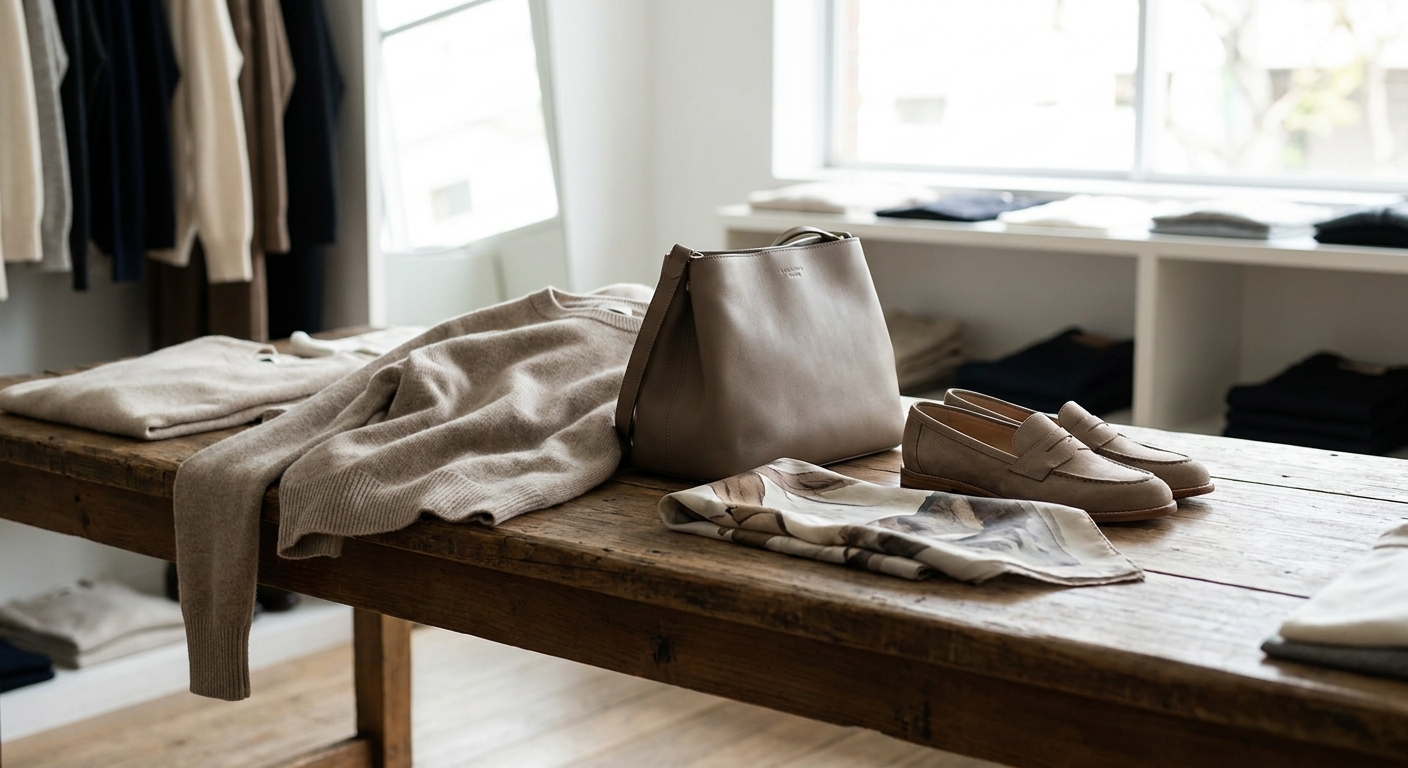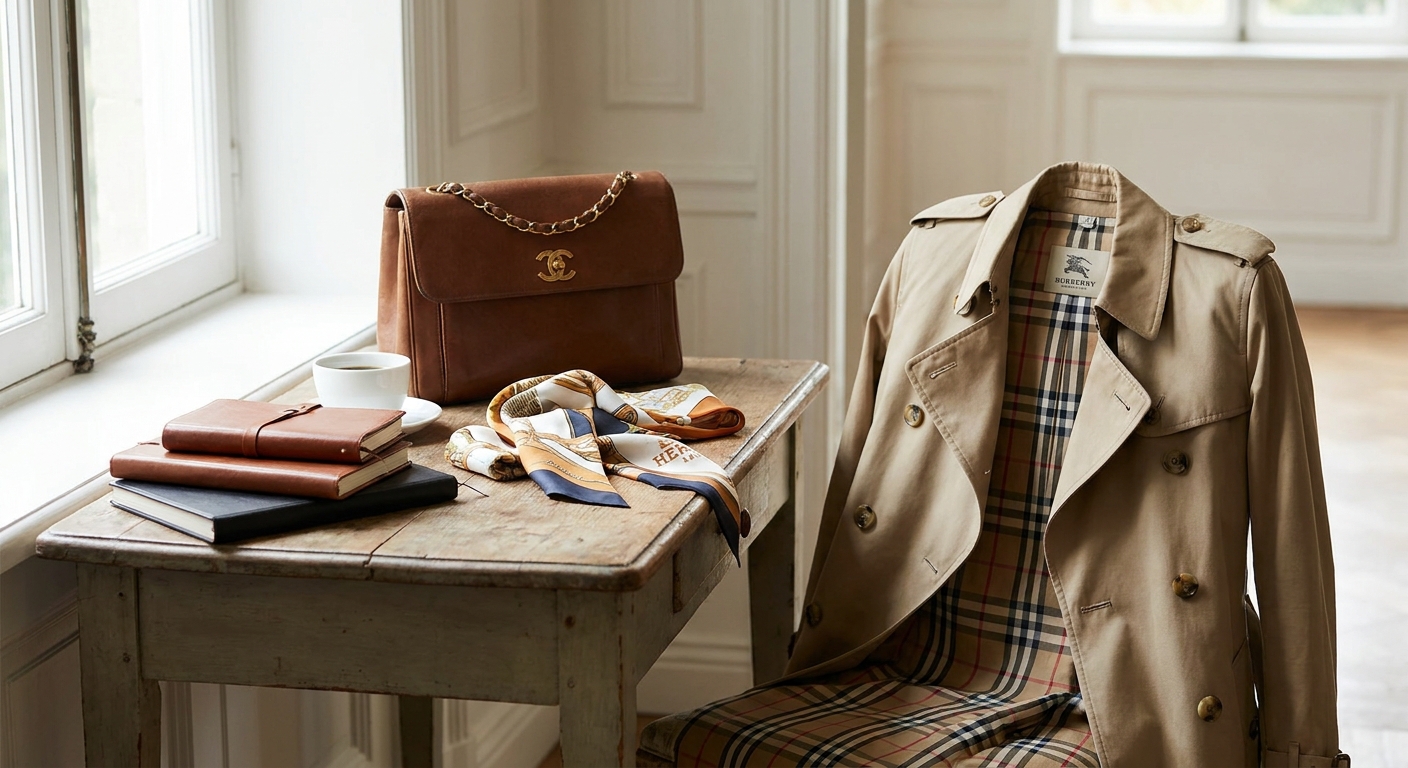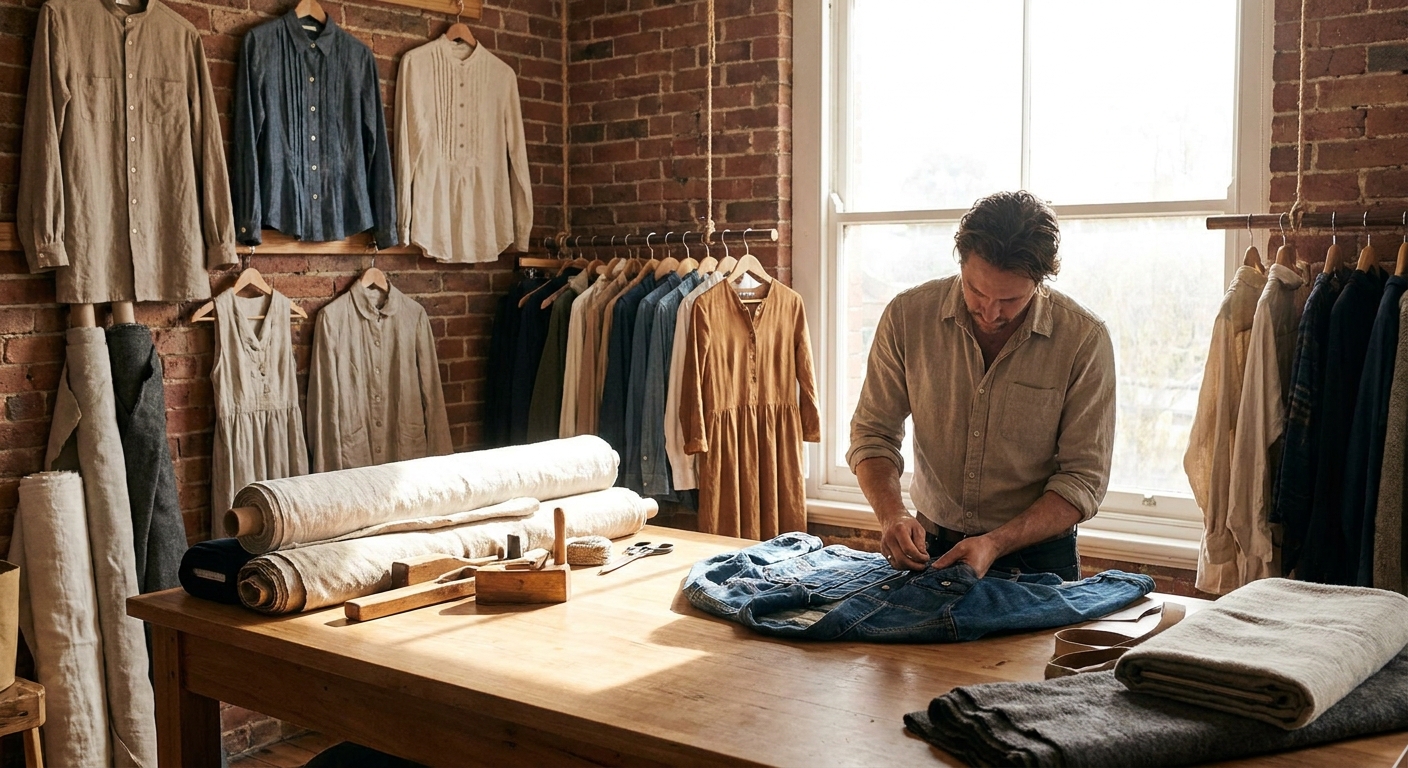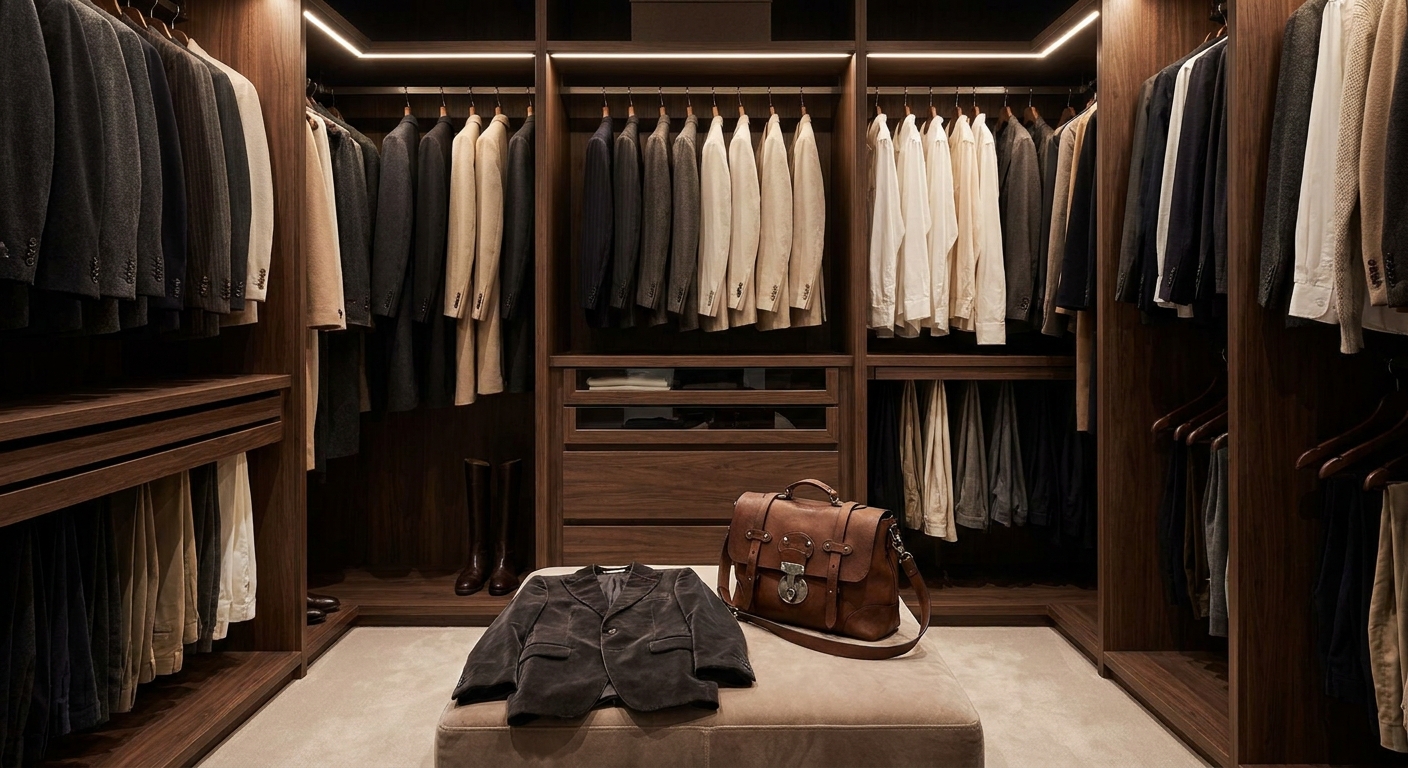
Building a one-of-one luxury wardrobe means curating pieces that stand alone—literally. Unlike mass-produced fashion, where you compete with thousands wearing identical garments, a true luxury wardrobe consists of singular, numbered items that define your aesthetic without duplication. This guide walks you through acquiring, styling, and preserving one-of-one luxury clothing that becomes more valuable over time.
- One-of-one luxury clothing means you own the only version ever made—no restocks, no duplicates.
- Source from artisan makers and heritage houses that number each piece and guarantee singularity.
- Build around neutral foundational pieces, then layer unique statement items for cohesion.
- Store pieces flat in acid-free tissue; rotate seasonally to minimize wear on any single garment.
Why this matters
One-of-one luxury clothing operates on a scarcity principle that mass-market fashion cannot replicate. When you own a numbered, singular piece, you're not just buying fabric and thread—you're acquiring an asset that cannot be remade. This exclusivity creates psychological ownership, style authority, and long-term value retention. In 2026, luxury consumers increasingly reject the fast-fashion cycle in favor of intentional, singular acquisitions that compound in meaning over decades.
What you'll need
Before you source your first one-of-one piece, gather these essentials:
- A style reference library — Pinterest boards, archive lookbooks, or mood boards showing your aesthetic across 5–10 core looks. This prevents impulse buys that don't cohere.
- Budget discipline — one-of-one pieces range from $500 to $15,000+ per item in 2026. Decide your annual acquisition budget (e.g., 2–4 key pieces yearly) and stick to it.
- Measurement records — exact chest, waist, inseam, and sleeve length in centimeters and inches. Artisan-made pieces rarely come in standard sizes; precision here prevents costly returns.
- A tailor relationship — find a tailor experienced with luxury fabrics (silk, cashmere, fine wool blends). One-of-one pieces often require minor adjustment; bad tailoring ruins a singular garment.
- Proper storage supplies — acid-free tissue paper, cedar blocks or lavender sachets, unbleached cotton storage bags, and a climate-controlled closet space (50–55% humidity, 65–70°F ideal).
- Authentication confidence — learn to verify maker provenance, numbering systems, and construction signatures of houses you follow. In 2026, counterfeit luxury is more sophisticated; know what authentic looks like.
The steps
1. Define your foundational aesthetic
What it accomplishes: Prevents scattered, incoherent purchases and ensures future pieces work together.
Why it matters: One-of-one pieces are irreplaceable. If you buy a singular navy blazer that clashes with your trousers, you cannot reorder it. Coherence is mandatory.
Specific instructions: Over one week, collect 20–30 images of outfits you genuinely admire. Note recurring colors (your "power palette": likely 3–4 core shades plus 2 accent colors), silhouettes (fitted vs. relaxed, length preferences, neckline types), and textures (matte, sheen, knit, structured). Write a one-paragraph style statement—e.g., "Timeless elegance with architectural tailoring, neutral base, one bold texture per outfit." This becomes your filter for every purchase through 2026 and beyond.
Expected outcome: A visual reference guide and written aesthetic that narrows your sourcing focus.
Common mistake: Chasing trends or buying pieces because they're expensive, not because they align with your core style. One-of-one luxury only works if every piece feels intentional.
2. Source from credible artisan and heritage makers
What it accomplishes: Guarantees authenticity, singularity, and craftsmanship standards.
Why it matters: Not all "luxury" brands honor true one-of-one production. Some produce "limited editions" of 50 pieces. Verify your maker's production philosophy upfront—you need makers who number each piece sequentially and commit to no remakes.
Specific instructions: Research brands and independent artisans in your aesthetic category. Check their website or press for statements about production limits and numbering systems. Reach out directly—email the maker with your measurements, style preferences, and budget. In 2026, many luxury artisans accept custom inquiries via their contact page. Ask for: (1) confirmation the piece will be numbered and singular, (2) production timeline (typically 4–12 weeks for bespoke work), (3) authentication documentation, and (4) a clear return policy if the piece doesn't fit or meet expectations.
Expected outcome: Direct relationships with 3–5 makers aligned with your aesthetic. You'll have confirmed commissions with confirmed delivery timelines.
Common mistake: Buying secondhand without verifying numbering, condition, or authenticity. Secondhand luxury can be excellent—just confirm the piece is truly singular and inspect it in person or via high-resolution images.
3. Build from neutral foundations outward
What it accomplishes: Maximizes outfit combinations and ensures your one-of-one pieces integrate, not isolate.
Why it matters: One-of-one pieces are statement items by definition. If every piece is a statement, you have no foundation, and outfits become chaotic. Start with versatile, well-made basics in your power palette, then layer singular pieces on top.
Specific instructions: In your first year, acquire 2–3 neutral foundation pieces: a tailored white or cream shirt, a well-fitted neutral trousers or skirt, and one neutral outerwear piece (camel coat, navy blazer, black leather jacket—whatever fits your aesthetic). These should be one-of-one but in a color that appears in 70% of your reference outfits. Once foundations are locked, spend your 2026 budget on singular statement pieces—texture, color, or design that stands out—because they'll always have a neutral partner waiting.
Expected outcome: A wardrobe framework where every new one-of-one piece has multiple outfit partners.
Common mistake: Buying statement pieces first and having nothing to pair them with. This leads to "orphan" pieces that never get worn.
4. Verify numbering and documentation before purchase
What it accomplishes: Confirms authenticity and protects your investment.
Why it matters: In 2026, as one-of-one fashion gains value, authentication matters. A numbered certificate, holographic tag, or serial number is proof of singularity. Without it, resale value collapses and you lose the core value proposition.
Specific instructions: Before finalizing payment, request: (1) a photo of the piece's numbering (typically embroidered, woven into a tag, or printed on a certificate—usually format like "1 of 1" or a sequential number with maker mark), (2) a maker certificate or authenticated documentation, and (3) images of all construction details (seams, buttons, labels, any signed elements). Keep these photos and documents digitally and physically. Photograph your piece when it arrives, including close-ups of the numbering. In 2026, this documentation is your insurance against future disputes and your proof of provenance if you ever resell.
Expected outcome: Complete documentation file for every piece, organized by maker and acquisition date.
Common mistake: Skipping documentation or assuming "I know it's real." Singularity without proof is unverifiable—and therefore not truly singular in market terms.
5. Store pieces to prevent degradation
What it accomplishes: Extends the lifespan and aesthetic integrity of irreplaceable garments.
Why it matters: One-of-one pieces will never be remade. Damage is permanent. Proper storage is non-negotiable.
Specific instructions: For long-term storage (off-season or pieces worn rarely), fold or roll items in acid-free tissue paper—never plastic bins or wooden hangers (wood can snag delicate fabrics). Store flat in breathable cotton or linen bags in a cool, dry closet at 50–55% humidity. Use cedar blocks or dried lavender sachets, not mothballs (mothballs damage finishes and leave odor). Rotate worn pieces—don't wear the same one-of-one jacket three days in a row. Alternate with other pieces to distribute stress. For delicate fabrics (silk, fine knits, anything beaded or embroidered), lay flat. For structured pieces (jackets, coats), use padded hangers but avoid direct sunlight. Check stored pieces every 3 months for pest damage or humidity shifts. In 2026, a modest climate-control unit in your closet (around $300–$600) is worth the investment if you have 10+ singular pieces.
Expected outcome: Zero unexpected fading, pilling, odor, or pest damage. Pieces look as pristine in 2030 as they did when acquired.
Common mistake: Overstuffing hangers, mixing delicate pieces with heavy garments, or storing in damp basements. One damaged one-of-one piece wipes out years of collection discipline.
6. Repair through specialized craftspeople, not retailers
What it accomplishes: Maintains the integrity and value of singular pieces.
Why it matters: Mass-market dry cleaners and chain tailors lack experience with artisan-made, high-end fabrics. A button replacement on a one-of-one garment requires a craftsperson who understands hand-sewn construction and specialty materials.
Specific instructions: When a one-of-one piece needs repair, reach out to the maker first—many offer repair services or can recommend a specialist. If the maker is unavailable, find a local tailor or seamstress with demonstrable experience in luxury fashion. Ask for references and photos of prior high-end repairs. For damage (holes, stains, seam separation), get a written estimate before proceeding. In 2026, a specialized repair can cost 15–30% of the original piece price, but it preserves a singular item for decades more. Never use superglue, dry-clean without asking first, or attempt DIY fixes on delicate fabrics.
Expected outcome: Pieces remain wearable and pristine across decades of ownership.
Common mistake: Taking a one-of-one silk blouse to the chain dry cleaner down the street. One harsh chemical or rough press ruins an irreplaceable piece.
Troubleshooting
Piece arrives and doesn't fit exactly as expected Measurements are interpreted differently by each maker. Have your tailor assess before wearing. Minor adjustments (hem, sleeve length, taking in a seam) are normal and worthwhile. If the piece is unusable (10+ sizes off, major construction errors), contact the maker immediately to discuss return or remake options—most reputable artisans offer this within 30 days of delivery.
You find a nearly identical one-of-one piece from another maker This is rare but possible—two makers may arrive at the same design independently. Both remain authentic one-of-one pieces. If you own one and find the other tempting, step back: does it serve your wardrobe or does it duplicate value? True one-of-one curation avoids redundancy. Pass if it doesn't add new outfit combinations.
Fabric begins to pill or show wear unevenly Pilling on knits is normal; use a fabric comb or pill remover monthly. Uneven wear (shiny patches on elbows, worn collar) signals overwearing. Rotate the piece out for 3–6 months, then reintroduce it. If wear is severe and the piece is less than 2 years old, have a tailor assess reinforcement (extra facing on inner collar, etc.).
You want to sell a piece but doubt its resale value One-of-one fashion is still building a resale market in 2026. Authentication documentation is crucial—pieces with full provenance, photos, and maker certificates fetch 40–60% of original price. Pieces without documentation sell for 20–30%. Some luxury consignment platforms now specialize in singular, artisan pieces. Research platforms aligned with your maker's profile and price expectations realistically.
Color fades or changes in storage Direct sunlight causes fading over time. Ensure your storage closet has zero direct sun exposure. If stored in humid conditions, some dyes can shift or bleed slightly. Maintain 50–55% humidity with a small dehumidifier. If fading is severe and recent, consult the maker about potential dye-reinforcement or accept it as patina (some collectors prefer aged, worn-in pieces).
You've outgrown a piece physically (weight change, different lifestyle) One-of-one pieces can sometimes be re-engineered by skilled tailors—a jacket let out or taken in, a dress hemmed dramatically. Consult your tailor first on feasibility. If alteration is impossible and the piece no longer serves you, sell it rather than store it indefinitely. A singular garment should be worn and enjoyed; a closet full of orphaned pieces defeats the purpose.
Tools and resources
- Maker directories: Luxury artisan aggregators and heritage brand websites. Many publish their numbering and production philosophy directly on their sites.
- Measurement guides: Most custom makers provide detailed measurement templates when you inquire. Download and complete these carefully—accuracy here prevents costly remakes.
- Storage specialists: Search for "luxury garment storage" or "climate-controlled closet solutions" in your area. In 2026, some cities offer dedicated luxury storage services (around $50–$200 per piece annually) if home storage is limited.
- Tailor vetting: Ask your local tailor for references from past luxury clients. Check Instagram or portfolio sites for close-up photos of their seam work and finishes.
- Authentication forums: Online communities focused on specific luxury makers (e.g., Reddit's r/luxury_fashion or maker-specific Discord servers) can help verify numbering formats and construction signatures.
What to do next
Start by identifying one maker whose aesthetic aligns with your style reference—visit their site, email them with your measurements and a brief style statement, and inquire about their next available commission. In 2026, the lead time for a bespoke one-of-one piece is typically 6–10 weeks. Placing your first order now means you'll have a foundational piece by late summer or early fall. While you wait, refine your storage setup: acquire acid-free tissue, a cedar block, and a breathable garment bag. By the time your first one-of-one piece arrives, you'll be ready to integrate it into a wardrobe built to last.