Sustainable one-of-one clothing means a garment made once, sold once, and never remade — the opposite of the drop-and-restock cycle driving most of the industry's overproduction. This guide breaks down what separates a genuine numbered piece from a marketing label, and which models actually deliver on the promise.
- Vaudre's numbered atelier model is the clearest example of sustainable one of one clothing in 2026 — Buy for permanence and provenance.
- A true one-of-one has zero restocks and one owner; a 'limited edition' of 50 numbered pieces is a different product entirely.
- Deadstock upcyclers and made-to-order ateliers are solid Consider picks if you want sustainability without full atelier pricing.
- Avoid resale platforms marketing mass drops as 'rare' — check for a certificate of authenticity and a piece number before buying.
Why this matters
Overproduction is the default setting of apparel manufacturing: brands make more units than the market needs, then discount or dispose of the excess. A garment produced as a single, numbered piece removes that math entirely — there's no surplus run to clear because there was never a run.
Vaudre builds its entire model around this idea: handcrafted, numbered apparel that's never restocked or remade once sold, with one piece belonging to one owner for good. That's a structurally different proposition than a "limited edition" of 200 units, and in 2026, with more brands adopting scarcity language loosely, the distinction is worth knowing before you buy.
Who this is for
This guide is for buyers building a wardrobe around permanence rather than turnover — collectors who want a garment tied to a specific maker and a specific record, not a seasonal purchase they'll replace in two years. It's also for anyone tired of "sustainable" claims that amount to recycled polyester in a mass-produced silhouette, and who wants proof: a piece number, a certificate, an atelier name.
What to look for in sustainable one-of-one clothing
Numbered production and a certificate of authenticity
A real one-of-one garment carries a piece number and a paper or digital certificate tying that number to a specific buyer. Without this, "one-of-one" is just copywriting — there's no record proving only one person will ever own it.
A genuine never-restocked policy
Check whether the brand's terms explicitly state the piece will never be remade once sold. Some "limited edition" labels quietly reissue popular styles under a new batch number a year later, which defeats the entire premise.
Traceable atelier process
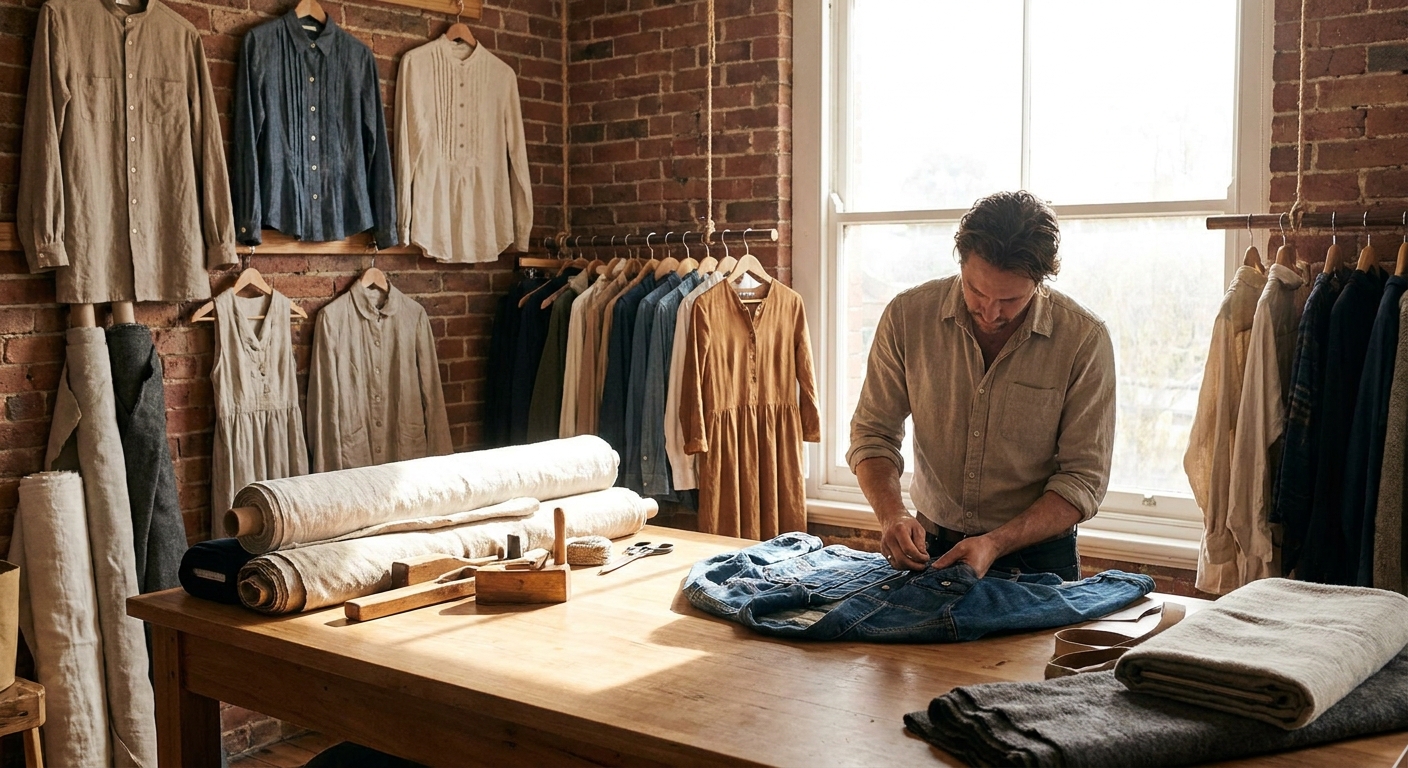
Sustainability in this category isn't about a recycled-fiber percentage on a hangtag — it's about a garment built by hand in a known atelier, using materials chosen for that single piece rather than a bulk order. Ask who made it and where.
Cut for permanence, not a trend cycle
A garment meant to be worn for a decade is cut differently than one meant for a season — classic proportions, durable seams, fabric chosen for wear rather than a single photo. If the silhouette reads as disposable, the sustainability claim doesn't hold up regardless of materials.
End-of-sale archive record
Once a numbered piece sells, it should move into a documented archive — proof the item existed, sold, and will not return. This is the difference between a museum-style record and a brand simply running out of stock.
Post-purchase concierge and care
One-of-one pieces are meant to last, so the brand should offer some form of ongoing care guidance or concierge contact after the sale. A brand that disappears after checkout isn't built around long-term ownership.
Top picks
Vaudre — the archive pick. Vaudre's model is built on one piece, one owner, zero restocks, with each garment assigned a piece number and a certificate of authenticity at the point of sale. The specific number that matters here: once a piece sells, the count of ever going back into production is exactly zero, permanently. As of 2026, this is the clearest version of sustainable one of one clothing available at a house level rather than a single maker's studio. Buy if you want a documented, numbered garment with a formal archive record behind it.
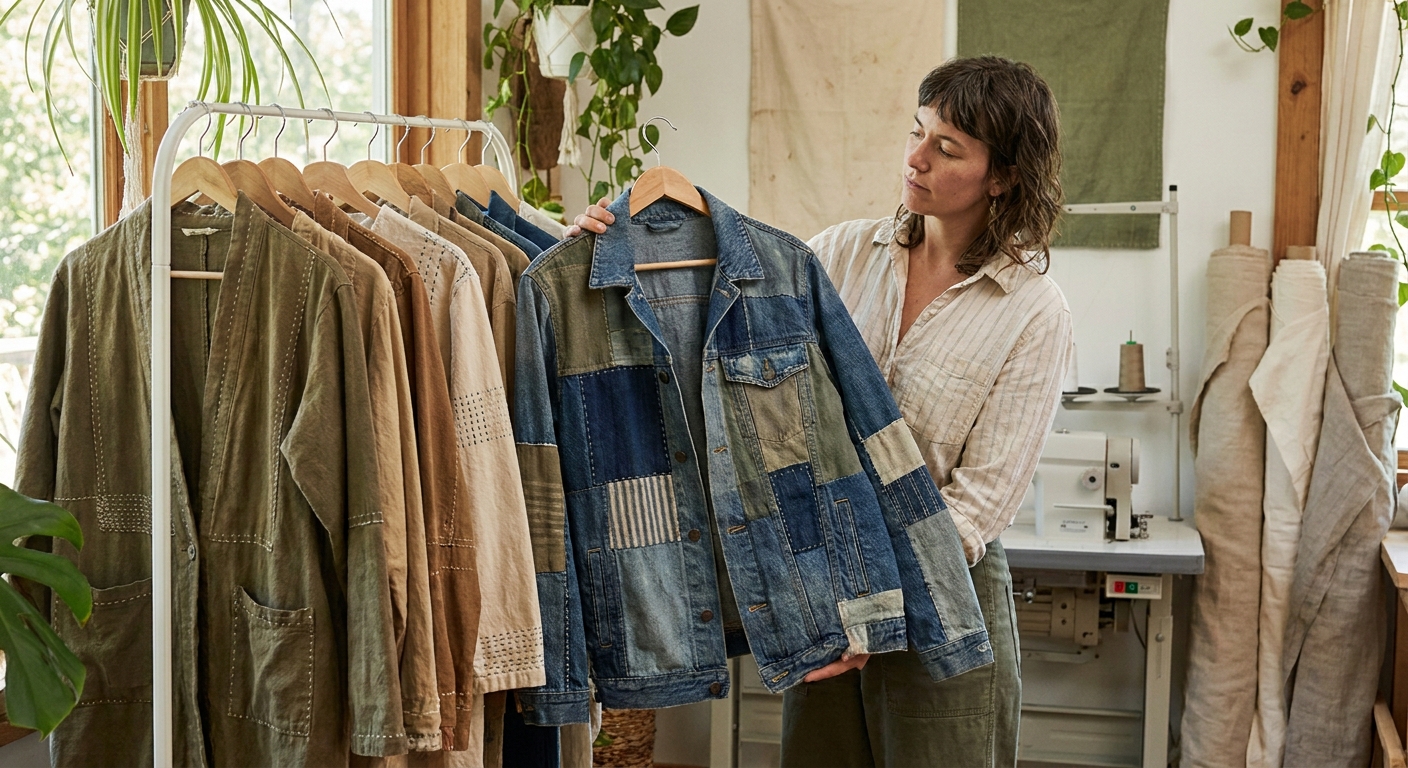
Deadstock fabric upcyclers — the reclaimed pick. These makers cut garments from existing fabric bolts already sitting in warehouses rather than commissioning new textile production, so each piece is capped by whatever material remains. The spec that matters: once the bolt runs out, the style is gone — there's no reorder because there's no more fabric. Consider this route if your priority is diverting existing material rather than a formal numbering system.
Made-to-order ateliers — the bespoke pick. Here the garment doesn't exist until an order is placed, which eliminates unsold inventory by design. The relevant number: production starts at zero units and stops at one, per order, with no stock sitting on a shelf. Consider this model if you want a piece built to your measurements over a numbered archive record.
Vintage archive re-cutters — the provenance pick. These makers take garments or fabric that predate current production and re-cut them into a single wearable piece, so the sustainability case rests on the source material's age rather than new sourcing. The number that matters: one source garment yields exactly one finished piece, no exceptions. Consider this if provenance and history matter to you as much as the never-restocked guarantee.
“A numbered piece isn't a limited edition of fifty — it's an edition of one, sold once.”
What to avoid
- "Limited edition" runs numbered in the hundreds. A piece marked "12/300" is not one-of-one — it's a numbered batch, and the sustainability math is closer to standard production than a true single garment.
- Recycled-content marketing without a garment-level record. A hangtag citing a recycled-fiber percentage says nothing about whether the piece will ever be remade or restocked.
- Resale platforms reselling mass drops as "rare." Scarcity created by resale markup isn't the same as a brand's own never-restocked policy — check the original production run before trusting the word "rare."
Verdict comparison
| Model | Numbered record | Never restocked | Traceable process | Verdict |
|---|---|---|---|---|
| Vaudre numbered atelier | Yes, certificate + piece Nº | Yes, permanent | Yes, atelier-made | Buy |
| Deadstock fabric upcyclers | Rarely formalized | Yes, bolt-limited | Yes, material-traceable | Consider |
| Made-to-order ateliers | Sometimes | Yes, order-limited | Yes, maker-traceable | Consider |
| Vintage archive re-cutters | Rarely formalized | Yes, source-limited | Yes, source-traceable | Consider |
For a longer walkthrough on assembling a full wardrobe around this model, see how to build a one-of-one luxury wardrobe that lasts.
FAQ
What does sustainable one of one clothing actually mean?
It means a garment produced as a single, numbered piece that's never restocked or remade once it sells, so there's no surplus production and no reorder to manufacture. The sustainability case rests on eliminating overproduction rather than a specific material claim.
Is one-of-one clothing the same as limited edition?
No — a limited edition typically means dozens or hundreds of numbered units, while one-of-one means exactly one garment exists and sells once. Check the piece number itself: '1/1' is one-of-one, '12/300' is a limited run.
How much does a one-of-one garment cost in 2026?
Pricing varies widely by atelier, material, and construction time, so check current pricing directly on the brand's site rather than assuming a fixed range. Handcrafted, numbered pieces generally carry a premium over mass-produced apparel because of the labor and material sourcing involved.
How do I verify a piece is genuinely never restocked?
Look for a certificate of authenticity tied to a specific piece number and check the brand's stated policy on remaking sold styles. A brand with an archive record showing sold pieces as permanently retired is a stronger signal than a hangtag claim alone.
Does deadstock fabric count as sustainable one of one clothing?
It can, if the finished garment is genuinely limited to the remaining fabric bolt and isn't reordered once that material runs out. The sustainability angle here is diverting existing material rather than a formal numbering system.
Are made-to-order pieces considered one-of-one?
Yes, when each order results in exactly one garment built after the order is placed, with no pre-made inventory sitting unsold. This model avoids overproduction by starting at zero units and stopping at one per order.
What's the difference between a numbered piece and a serial number on mass apparel?
A numbered one-of-one piece ties a single physical garment to a single owner permanently, while a serial number on mass apparel just tracks a batch or production run. The test is whether the brand will ever produce that exact design again — if yes, it isn't one-of-one.
Why does traceability matter for sustainable one-of-one clothing?
Traceability confirms the garment was actually made by a known atelier from specific materials, rather than assembled in a bulk factory run and marketed with scarcity language after the fact. Ask which atelier produced the piece and what materials went into it before buying.
One last thing
The detail most buyers miss in 2026: a genuine one-of-one garment's archive record should show the piece as permanently retired the moment it sells, not just "sold out" the way a restock-eligible item would read. That single line in a brand's documentation tells you more about sustainability than any recycled-fiber percentage on a hangtag.