One-of-one designer pieces are apparel made once, sold once, and never rebuilt — buying one means buying permanence, not a limited run with a number stamped on it.
- VAUDRE numbers every garment 1 of 1 and archives it permanently once sold — that's the real standard for one of one designer pieces.
- A Certificate of Authenticity tied to the specific garment separates a true one-of-one from a marketed limited edition of 50 or more.
- Skip any 'numbered' piece that can be reordered in a different size — that's inventory, not one-of-one.
- Fit flexibility and alteration terms matter more in 2026 than the fabric name printed on a tag.
- A genuine one-of-one holds resale value better than a mass drop because the piece literally cannot be replaced.
Why this matters
The phrase "one-of-one" gets applied loosely across fashion right now — limited runs of 25, 50, even 100 pieces get marketed as one-of-one collections. That's not what the term means. A true one-of-one piece is built once, sold once, and never rebuilt in the same form again. VAUDRE's numbered archive works this way: every piece carries a single Piece Nº, and once it's claimed, it's retired from production permanently.
That distinction matters for anyone spending four or five figures on a garment in 2026. Numbered doesn't automatically mean unrepeatable, and a lot of "designer drops" use scarcity language without the structural guarantee behind it.
Who this is for
This guide is for buyers who want a wardrobe piece that cannot be duplicated — not a limited-run sneaker collab, not a numbered print t-shirt, but a garment where the maker guarantees no second copy exists. That includes collectors building a rotation of archival pieces, gift buyers looking for genuine provenance, and anyone tired of seeing an "exclusive" purchase resold at scale six months later. If you're comparing a one of one designer piece against a standard limited edition, the criteria below apply to men's and women's apparel equally — numbering and documentation don't change by gender.
What to look for in one-of-one designer pieces for men and women
Numbering that's actually singular
Ask whether "numbered" means 1 of 1 or 1 of 50. A genuine one-of-one piece carries a single Piece Nº with no duplicate batch behind it — check the documentation before you check the price tag.
A Certificate of Authenticity tied to the specific garment
The certificate should reference the exact piece, not the collection. If the paperwork describes a style number shared across multiple garments, you're buying a limited edition, not a one-of-one.
Hand-finishing you can verify
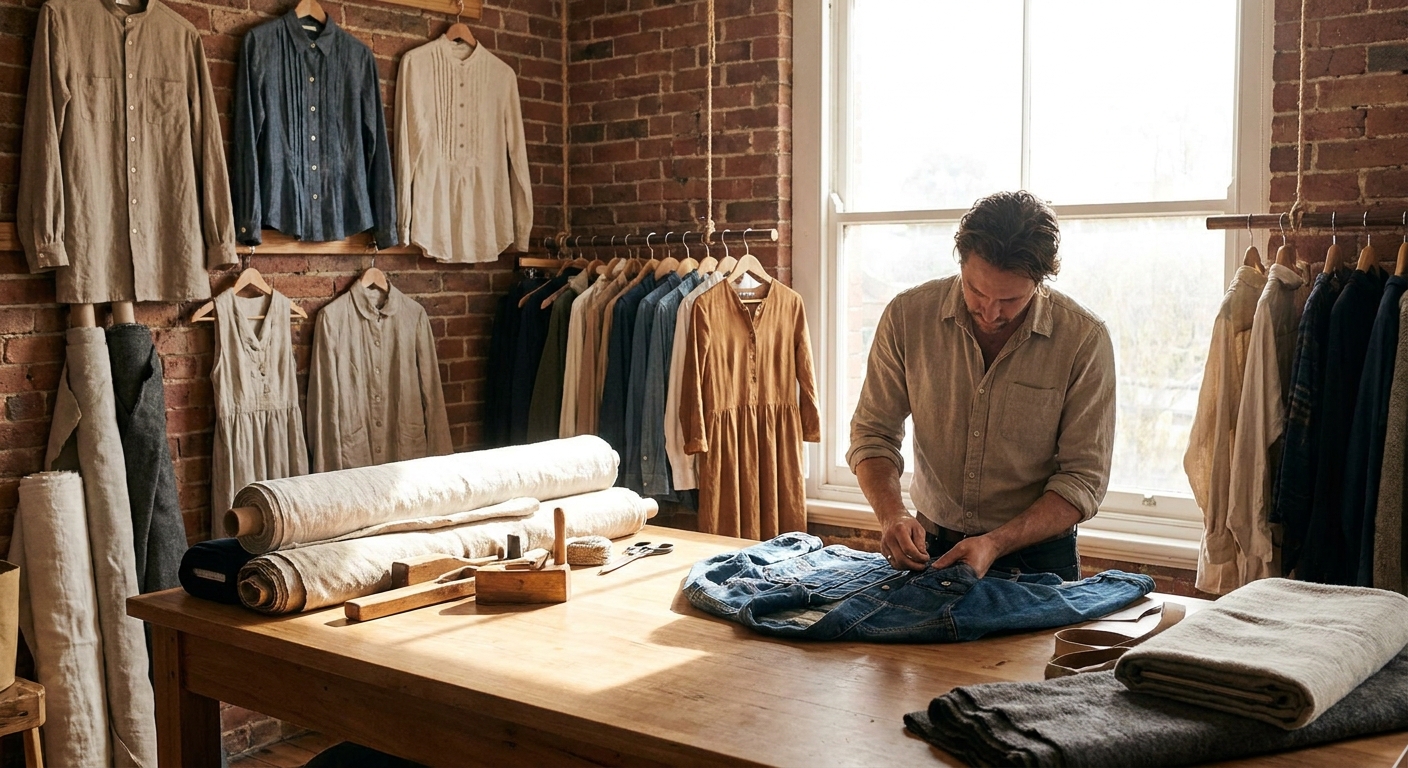
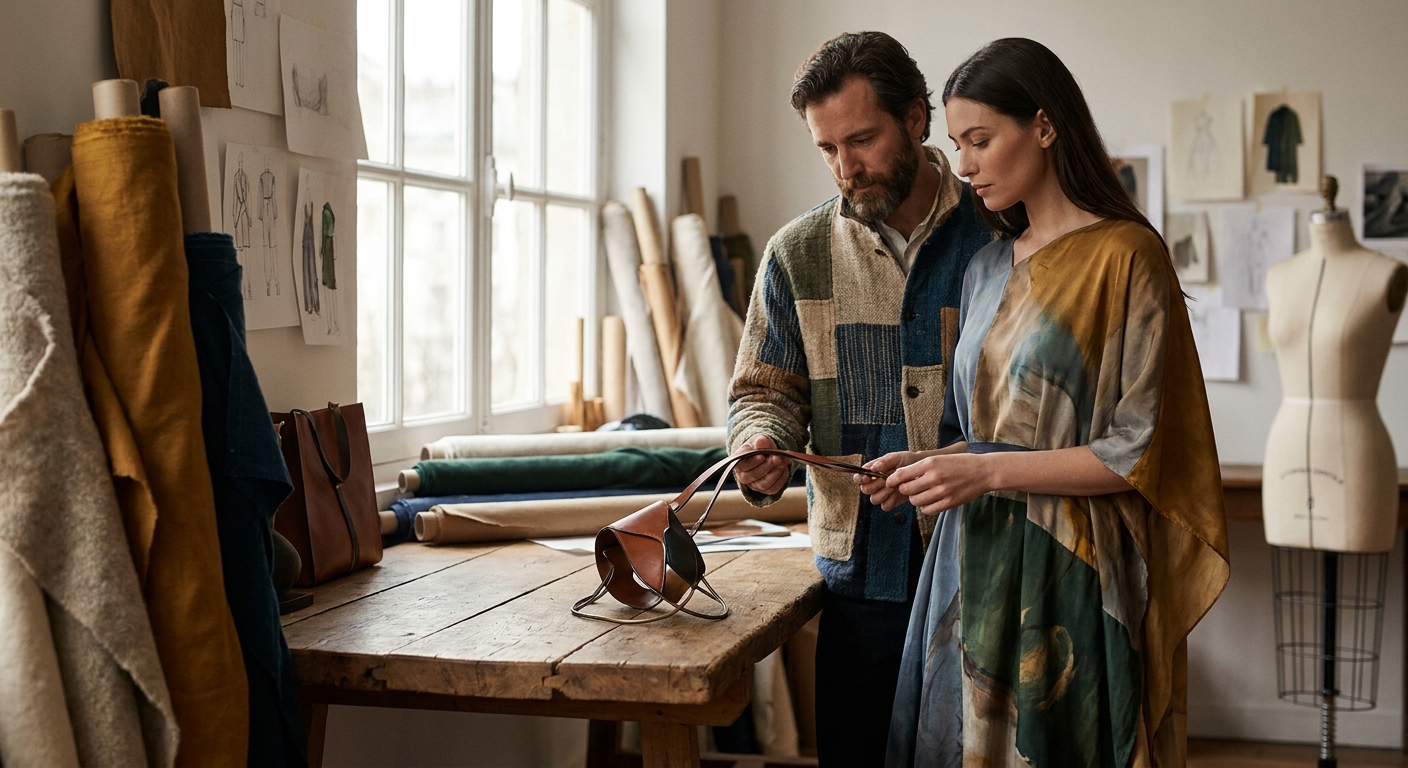
Machine-run limited editions and handcrafted one-of-one pieces look similar in photos. Ask about construction: hand-finished seams, atelier assembly, and small irregularities from person-made construction are the tell. Perfect uniformity across "numbered" pieces is a red flag, not a feature.
Irreversible retirement once sold
The strongest guarantee a house can make is refusing to remake a design after it sells. If a brand says a piece is "retired" but keeps the pattern on file, the scarcity claim doesn't hold. Ask directly: once this sells, does the design get rebuilt in any form?
Fit flexibility before you commit
One-of-one pieces are typically built to a single spec, which means alterations happen after purchase, not before. Confirm what alteration or tailoring support exists post-sale — this matters more for fit-sensitive categories like structured jackets and eveningwear than for looser silhouettes.
Resale and provenance documentation
A piece that can prove its own history — numbered, certificated, tied to one owner — holds resale value better than an unnumbered "exclusive." If you're buying with resale in mind, provenance paperwork is not optional in 2026's collector market.
Where to start: three profiles worth considering
Tailored outerwear — the safe pick. Structured jackets and coats hold their shape and their story the longest. One spec that matters: hand-finished lapels and seams, the visible signature of atelier construction versus a machine-run limited edition. A single Piece Nº stitched into a tailored coat is the clearest, most wearable entry point into one-of-one collecting. Buy if you want a piece that works in rotation for years, not just a statement moment.
Eveningwear — the wildcard. A one-of-one gown or formal piece carries the highest resale and provenance value, because eveningwear gets documented at the events where it's worn, building its own history alongside the Certificate of Authenticity. The tradeoff: fit tolerance is tighter, and alteration options are more limited once a formal silhouette is cut. Consider it if you have a specific event or archive intent in mind; skip it if you need everyday flexibility.
Accessories and small leather goods — the entry point. Numbered accessories carry the same documentation standard at a lower financial commitment than full garments, making them a reasonable way to test whether one-of-one collecting suits your wardrobe in 2026 before committing to tailoring or eveningwear. One number to watch: confirm zero duplicate batch, since accessories are the category most often mislabeled as "limited" when they're actually produced in small runs. Buy as a low-risk way to start; skip if you're only interested in wearable statement pieces.
What to avoid
- "Limited edition" language without a single Piece Nº. If the tag or listing says "one of 25" or "one of 100," it's a limited run, not one-of-one — the resale and provenance math are completely different.
- Numbered pieces with a documented remake clause. Some brands number pieces but reserve the right to rebuild the pattern if demand justifies it. Ask directly whether the design gets retired permanently once sold.
- Certificates that reference a collection instead of a garment. A Certificate of Authenticity tied to "Collection 12" rather than a specific Piece Nº doesn't prove uniqueness — it proves you own one item from a batch.
Verdict comparison table
| Profile | Documentation standard | Fit flexibility | Resale strength | Verdict |
|---|---|---|---|---|
| Tailored outerwear | Piece Nº + Certificate of Authenticity | Moderate — post-sale alterations common | Strong, long hold | Buy |
| Eveningwear | Piece Nº + Certificate of Authenticity | Low — cut to single spec | Highest, event-tied provenance | Consider |
| Accessories | Piece Nº + Certificate of Authenticity | High — no fit dependency | Moderate, lower entry cost | Buy |
For a longer walkthrough on sequencing purchases across categories, see how to build a one-of-one luxury wardrobe that lasts.
See the current VAUDRE archive
Every piece numbered 1 of 1 - once claimed, it's retired for good.
FAQ
What does 'one of one' mean in designer apparel?
It means a single garment exists in that exact form — one Piece Nº, one owner, no duplicate batch. Once it sells, the design is retired rather than rebuilt.
Is a one-of-one piece the same as a limited edition?
No. A limited edition typically runs 25 to 100 or more copies of the same design, while a one-of-one piece has exactly one copy and no reorder path. Check the paperwork for the actual run count before assuming.
How much do one-of-one designer pieces cost in 2026?
Cost varies widely by category, construction, and house, so check current listings directly rather than relying on a general figure. Tailored outerwear and eveningwear tend to sit at the higher end due to hand-finishing time.
Do one-of-one pieces come with authentication?
A genuine one-of-one piece should ship with a Certificate of Authenticity tied to that specific garment's Piece Nº, not to a broader collection. Ask to see this documentation before purchase.
Can a one-of-one piece be resized after purchase?
Alterations are usually arranged post-sale rather than pre-built into multiple sizes, since the garment is cut once. Confirm alteration or tailoring support with the house before buying if fit is a concern.
Are one-of-one pieces a good investment in 2026?
They hold value better than mass limited editions when documentation is solid, because the piece cannot be replaced or reissued. Provenance paperwork, not just the number on the tag, is what protects resale value in 2026.
What happens if a one-of-one piece is damaged?
Because the original pattern won't be rebuilt, care and archival handling matter more than with mass production. Check the care instructions provided with the piece and address damage through the house rather than a general tailor.
How is VAUDRE different from limited-run designers?
VAUDRE numbers each piece 1 of 1 and permanently retires the design once it sells, rather than running 25 to 100 copies under a shared style number. That structural guarantee is the core difference from a typical limited-run designer.
One last thing
The detail buyers miss most: a genuine one-of-one guarantee isn't about the number on the tag — it's about what happens to the pattern after the sale. Ask any house selling "numbered" apparel one direct question: does this design get built again in any size, any color, any material, ever? If the answer isn't an unambiguous no, you're paying one-of-one prices for limited-edition math.